Jeffrey Tondreau
Turbochargers have become a fundamental component in enhancing the performance and efficiency of diesel engines. With increasing demands for power and fuel economy, the turbocharger serves as a solution that significantly optimizes engine output. By harnessing exhaust gases to boost air intake, these devices allow diesel engines to achieve impressive levels of horsepower without a proportional increase in size or weight.
One of the primary advantages of turbocharging in diesel engines is the ability to improve combustion efficiency. In a diesel engine, the combustion process relies on high compression ratios and the introduction of air into the combustion chamber. Turbochargers increase the volume of air available, allowing for a more complete and efficient combustion of fuel. This not only results in heightened power outputs but also contributes to reduced emissions, addressing environmental concerns associated with diesel combustion.
The mechanical design of a turbocharger consists of a turbine and a compressor, both connected via a shaft. As exhaust gases exit the engine, they spin the turbine, which in turn drives the compressor to draw in more air. This dynamic interplay creates a cycle that maximizes the engine’s breathing capability. Understanding the nuances of this technology is essential for both engineers and enthusiasts alike, as optimizing turbocharger performance can lead to substantial improvements in overall vehicle efficiency and driving experience.
How Turbochargers Improve Diesel Engine Performance

Turbochargers significantly enhance the performance of diesel engines by increasing their efficiency and power output. They achieve this by forcing more air into the engine’s combustion chamber, allowing for a greater amount of fuel to be burned during each combustion cycle. This results in improved power generation and torque, which are crucial for heavy-duty applications such as trucks and industrial machinery.
One of the primary advantages of a turbocharger is its ability to recycle exhaust gases. Rather than allowing exhaust to escape into the atmosphere, the turbocharger captures this energy and uses it to spin a turbine, which in turn compresses incoming air. This process not only boosts engine power but also aids in reducing emissions, making diesel engines more environmentally friendly.
Turbochargers also enable diesel engines to perform well at higher altitudes where atmospheric pressure is lower. By increasing the density of the air entering the engine, a turbocharger compensates for the reduced oxygen levels, allowing the engine to maintain optimal performance under challenging conditions.
Another benefit of turbocharging is enhanced fuel efficiency. By improving the air-fuel mixture ratio and maximizing combustion efficiency, turbochargers allow diesel engines to extract more energy from the same amount of fuel. This leads to lower fuel consumption and reduced operational costs, making turbocharged diesel engines an attractive option for both consumers and commercial operators.
Overall, the implementation of a turbocharger in diesel engines not only boosts power and torque but also provides significant operational advantages. Through improved efficiency and reduced emissions, turbochargers play a pivotal role in modern diesel engine technology.
Common Turbocharger Problems and Their Solutions

Turbochargers play a crucial role in enhancing the performance of diesel engines by increasing their power output and efficiency. However, various issues can arise with turbochargers over time, leading to decreased performance or complete failure. Here are some common turbocharger problems and their respective solutions.
1. Oil Leakage
One prevalent issue is oil leakage, which can occur due to worn seals and gaskets. This can lead to excessive oil consumption and even engine damage if not addressed promptly. Regular inspection of seals and ensuring that the engine oil is at the correct level can prevent this problem. If leakage is detected, replacing worn seals is imperative to maintain turbocharger function.
2. Turbo Lag
Turbo lag refers to the delay between pressing the accelerator pedal and the turbocharger delivering power. This can be caused by a faulty wastegate or incorrect tuning. To mitigate turbo lag, consider installing an upgraded wastegate or using a more responsive tuning strategy. Ensuring that the turbocharger is sized appropriately for the engine can also help eliminate lag.
3. Excessive Smoke
Black or blue smoke from the exhaust indicates that the turbocharger is leaking oil or that there is unburned fuel. In diesel engines, black smoke can suggest that the engine is running rich. Regular maintenance, including air and fuel filter changes, can help improve combustion efficiency. If smoking persists, examining the turbo’s internals for damage is essential.
4. Noise Issues
Unusual noises such as whining or grinding can signal a failing turbocharger. These sounds might indicate bearing wear or damage to the turbine. If such noises are heard, it is crucial to stop the engine immediately and inspect the turbocharger. Replacing the turbo may be necessary if severe damage is found.
5. Boost Pressure Loss
Loss of boost pressure can lead to decreased engine performance. This issue may be caused by a cracked intercooler, damaged hoses, or a failing turbo. Conducting a thorough inspection of the entire intake system and replacing any damaged components can restore proper boost levels.
6. Overheating
Turbochargers generate significant heat during operation. Excessive heat can lead to premature wear or failure. Ensuring proper oil flow and using high-quality engine oil can help dissipate heat effectively. Installing a turbo timer can also prevent oil coking by allowing the turbo to cool down after engine shutdown.
By addressing these common turbocharger issues promptly and effectively, diesel engine owners can maintain optimal performance and prolong the life of their turbochargers. Regular maintenance and vigilant monitoring are key to preventing these problems before they escalate.
Maintenance Tips for Optimal Turbocharger Functionality
Maintaining the turbocharger in a diesel engine is crucial for ensuring its efficiency and longevity. Proper care can significantly enhance performance and reduce potential issues. Here are essential maintenance tips to follow:
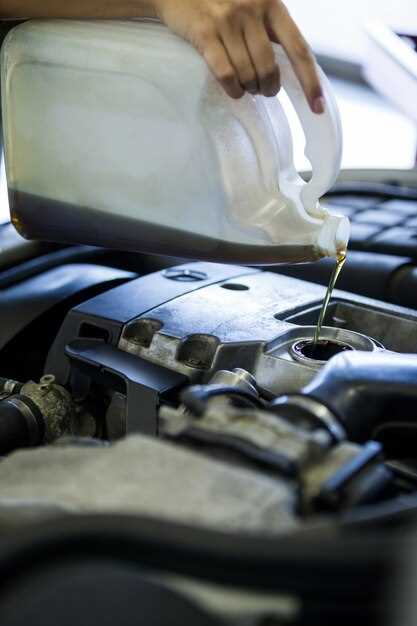
1. Regular Oil Changes: Frequent oil changes using high-quality engine oil are vital. The turbocharger relies on clean oil for lubrication and heat dissipation. Contaminated oil can lead to premature wear and damage. Follow the manufacturer’s recommendations for change intervals.
2. Monitor Oil Level: Keep an eye on the oil level in your diesel engine. Insufficient oil supply can cause the turbocharger to overheat or fail. Check oil levels regularly and top up as necessary.
3. Air Filter Maintenance: A clean air filter ensures that the turbocharger receives sufficient airflow. Clogged filters can restrict airflow, reducing turbo efficiency and potentially causing damage. Inspect and replace air filters routinely.
4. Cool Down Period: After heavy use, allow the engine to idle for a few minutes before shutting it off. This cooldown period lets the turbocharger reduce its temperature gradually, preventing oil coking and prolonging its lifespan.
5. Inspect for Leaks: Regularly check for oil and boost leaks in the turbocharger system. Leaks can drastically affect performance and lead to engine damage. Address any leaks promptly to maintain optimal functioning.
6. Turbocharger Cleaning: Occasionally, consider cleaning the turbocharger. Carbon buildup can impair performance. Using specialized cleaning products designed for turbochargers can restore functionality and efficiency.
7. Check Boost Pressure: Monitor the boost pressure regularly using a gauge. Significant fluctuations may indicate issues within the turbocharger or other components. Address any irregularities swiftly to prevent further damage.
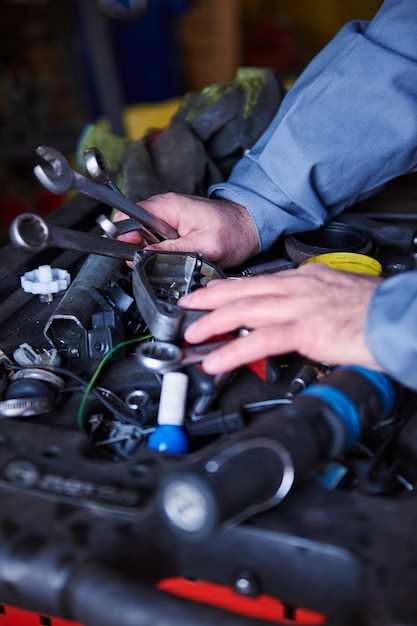
8. Professional Inspections: Schedule routine inspections with a professional mechanic familiar with diesel engines and turbochargers. They can identify potential problems early and perform necessary maintenance tasks.
By following these maintenance tips, you can ensure the optimal functionality of your diesel engine’s turbocharger, enhancing performance and extending its operational life.