 Jeffrey Tondreau
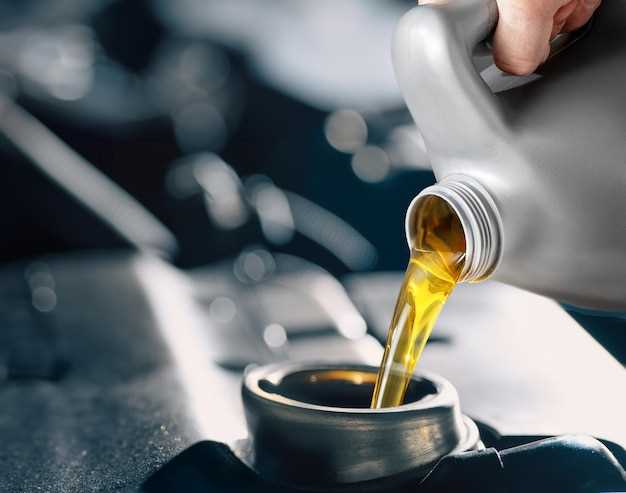
In the quest for improved engine performance, the role of diesel additives cannot be overstated. These specialized fuel supplements are designed to optimize the combustion process, providing benefits that go beyond simple energy output. By incorporating the right additives into your diesel regimen, you can enhance efficiency, reduce emissions, and minimize engine wear, leading to a longer-lasting vehicle.
Modern diesel engines face numerous challenges, from carbon buildup to injector fouling. Quality additives serve as a proactive solution, ensuring that your fuel system operates at peak capacity. They can help in restoring lost power, improving fuel economy, and protecting vital engine components against corrosive elements found in fuel. For those who demand the best from their vehicles, understanding the various options available in the market is essential.
As we delve deeper into the world of diesel additives, we will explore various products that stand out for their effectiveness and reliability. Evaluating these options will help you make informed decisions that align with your engine’s specific needs and performance goals. Choosing the right additive is crucial not only for enhancing performance but also for ensuring the long-term health of your engine.
Top Diesel Fuel Additives for Improving Combustion Efficiency
Enhancing combustion efficiency in diesel engines is crucial for maximizing performance and minimizing emissions. The right fuel additive can significantly impact this process, providing benefits such as better atomization, cleaner combustion, and reduced deposits. Here are some of the top diesel fuel additives that can help improve combustion efficiency:
1. Cetane Boosters: Cetane boosters are designed to increase the cetane number of diesel fuel. A higher cetane number leads to improved ignition quality, which results in more complete combustion. This enhancement can yield better throttle response, smoother operation, and lower exhaust emissions.
2. Fuel System Cleaners: Fuel system cleaners help remove carbon deposits and other contaminants from injectors and combustion chambers. By ensuring that fuel injectors operate optimally, these additives promote even fuel distribution and more efficient combustion, leading to increased power and reduced fuel consumption.
3. Lubricity Additives: Diesel fuel often lacks sufficient lubricity, which can lead to wear in the fuel injection system. Lubricity additives restore the needed lubrication, helping to keep injectors and pumps functioning smoothly. This not only enhances engine performance but also improves combustion by ensuring a proper fuel spray pattern.
4. Cold Flow Improvers: In colder climates, diesel fuel may gel or become less fluid, leading to poor combustion efficiency. Cold flow improvers reduce the pour point of diesel fuel, ensuring that it remains fluid and properly atomized even in low temperatures, thereby enhancing combustion performance.
5. Anti-Bacterial Additives: Microbial contamination can lead to fuel degradation and sludging, which negatively impacts combustion efficiency. Anti-bacterial additives help prevent the growth of bacteria and other microorganisms in diesel fuel, ensuring cleaner fuel and improved combustion stability.
Utilizing these diesel fuel additives can lead to noticeable improvements in engine performance, fuel economy, and emissions control. When selecting additives, it is essential to choose high-quality products that meet the specific needs of your diesel engine.
How to Choose the Right Diesel Cleaner for Your Engine
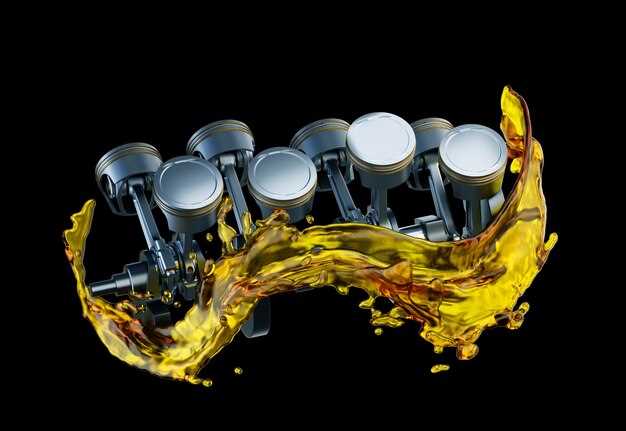
When selecting a diesel cleaner, it’s essential to consider various factors that ensure optimal fuel efficiency and engine performance. Here are key aspects to evaluate:
1. Compatibility with your engine: Always check if the cleaner is suitable for your specific engine type. Some cleaners are formulated for particular models or brands, making compatibility crucial for efficacy.
2. Cleaning agents: Investigate the active ingredients in the cleaner. Look for detergents and dispersants that effectively combat carbon deposits, gum, and varnish buildup in the fuel system.
3. Benefits: Some diesel cleaners offer multiple advantages. For instance, they may enhance fuel stability, improve cold-weather performance, or even provide lubrication to internal components. Choose a product that aligns with your engine’s needs.
4. Environmental Impact: Consider eco-friendly options that meet environmental regulations without compromising performance. Look for products that are biodegradable and contain low levels of harmful chemicals.
5. Brand Reputation: Research brands known for their reliability and customer satisfaction. User reviews and recommendations can provide insights into the effectiveness of the cleaner in real-world applications.
6. Frequency of Use: Decide how often you will use the cleaner. Some products are designed for regular maintenance, while others are intended for heavy-duty cleaning. Ensure that your chosen cleaner fits your maintenance schedule and fuel consumption.
By adhering to these guidelines, you can select a diesel cleaner that enhances your engine’s performance while maximizing fuel efficiency and longevity.
Impact of Diesel Additives on Engine Longevity and Maintenance
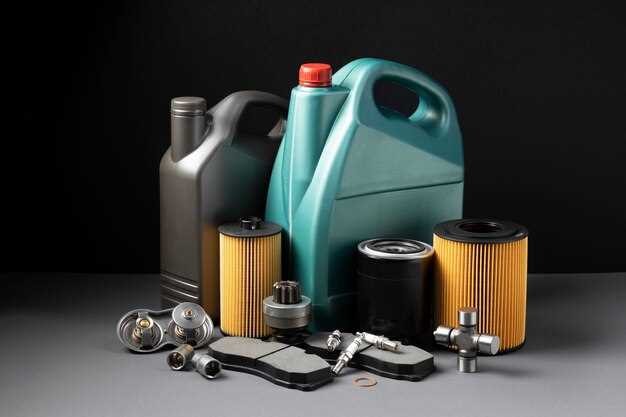
Diesel additives play a crucial role in enhancing the overall performance and lifespan of diesel engines. These specialized fuel formulations are designed to address common issues such as injector deposits, fuel deterioration, and overall system cleanliness. By improving fuel combustion and reducing harmful emissions, additives contribute significantly to maintaining engine integrity over time.
One primary benefit of diesel additives is their ability to prevent the buildup of carbon deposits in the combustion chamber and on fuel injectors. When these deposits accumulate, they can lead to inefficient fuel combustion, reduced power output, and increased fuel consumption. Incorporating an effective additive into the fuel system helps keep these components clean, ensuring optimal engine performance and enhancing longevity.
Additionally, diesel additives can improve fuel stability, particularly in conditions where fuel may sit idle for extended periods. This is essential for preventing oxidation and the formation of sludge, which can cause filter clogs and other maintenance issues. Regular use of additives can, therefore, reduce the frequency of maintenance interventions and extend intervals between servicing.
Moreover, many diesel additives contain cetane improvers, which enhance the ignition quality of fuel. A higher cetane number leads to more efficient combustion, resulting in smoother engine operation and reduced wear on moving components. This not only aids in maintaining engine performance but also contributes to extending its operational life.
In summary, the strategic use of diesel additives directly impacts engine longevity and maintenance. By minimizing deposits, improving fuel stability, and enhancing combustion efficiency, these additives contribute to a healthier engine, ultimately leading to reduced repair costs and improved reliability over the lifespan of the vehicle.


