 Jeffrey Tondreau
Diesel engines are known for their durability and efficiency, yet they are not immune to issues such as overheating. Overheating can lead to serious damage, affecting the engine’s performance and longevity. Understanding the causes of diesel engine overheating is crucial for maintaining optimal operation and ensuring the longevity of the engine.
Several factors can contribute to overheating in diesel engines. A malfunctioning cooling system is often at the forefront, with issues such as coolant leaks, clogged radiators, or faulty water pumps leading to inadequate cooling. Additionally, a lack of proper maintenance, including infrequent oil changes or neglecting to check coolant levels, can exacerbate overheating problems. Environmental factors such as extreme temperatures and heavy workloads can also strain the engine, pushing it beyond its operational limits.
Identifying and addressing the root causes of overheating is essential for preventing damage to the engine. Implementing effective solutions such as regular cooling system inspections, timely coolant replacements, and ensuring that the engine is not overworked can mitigate overheating risks. By being proactive and vigilant about maintenance, engine owners can safeguard their diesel engines against the dangers of overheating and ensure continued functionality.
Identifying Common Reasons for Diesel Engine Overheating
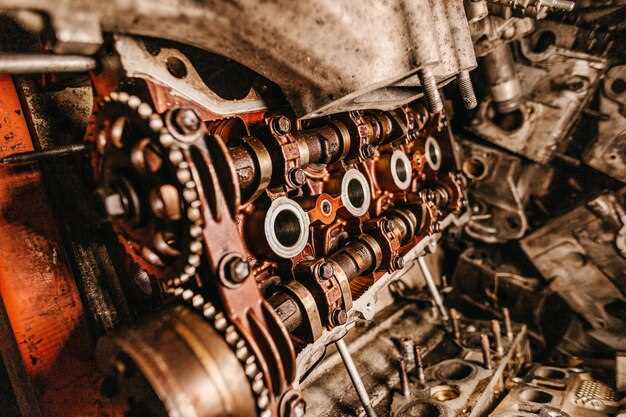
Diesel engine overheating is a critical issue that can lead to severe damage, if not addressed promptly. Understanding the common causes is essential for effective troubleshooting and maintenance. One primary reason for overheating is a malfunctioning cooling system. This system is designed to regulate the engine temperature and prevent excessive heat buildup. If components such as the radiator, water pump, or thermostat fail, the coolant may not circulate properly, leading to overheating.
Another significant cause can be low coolant levels. Insufficient coolant can result from leaks in hoses, connections, or the engine block itself. Without adequate coolant, the engine is unable to dissipate heat effectively. Additionally, the presence of air pockets within the cooling system can impede the flow of coolant, reducing its efficiency and contributing to overheating.
A blocked radiator poses another potential issue, as it prevents proper airflow and coolant circulation. Accumulation of debris, dirt, or corrosion can hinder the radiator’s ability to dissipate heat. Regular cleaning and maintenance are necessary to ensure optimal performance of this crucial component.
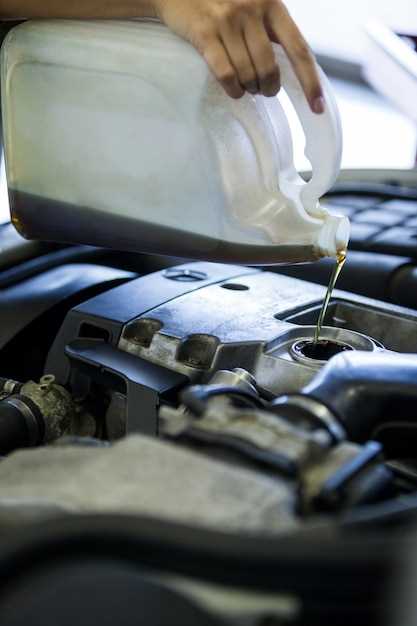
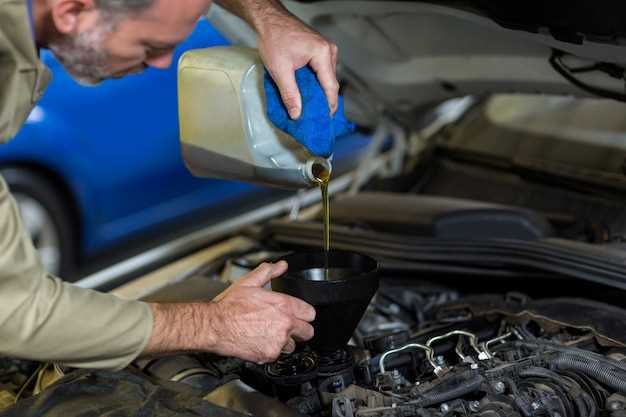
Poor engine lubrication can also lead to high temperatures. If the oil is dirty or depleted, it may not provide adequate cushioning and protection for engine components, resulting in increased friction and heat generation. Regular oil changes are essential to maintain a healthy lubrication system.
Finally, excessive engine load can contribute to overheating. Operating a diesel engine beyond its designed capacity or towing heavy loads can significantly increase thermal stress, resulting in rising temperatures. Understanding the specific limitations of a diesel engine is crucial to prevent overheating under strenuous conditions.
Inspecting and Maintaining the Cooling System Components
The cooling system plays a crucial role in preventing diesel engine overheating. Regular inspection and maintenance of its components can significantly enhance the engine’s efficiency and longevity. Key elements to focus on include:
- Radiator: Check for signs of corrosion, leaks, or blockages. Ensure that it is clean and free from debris, as obstructions can hinder airflow and cooling efficiency.
- Coolant: Regularly check the coolant levels and quality. Replenish or replace the coolant as necessary to prevent overheating. Use the manufacturer-recommended type for optimal performance.
- Water Pump: Examine the water pump for any leaks or unusual noises. A failing water pump can disrupt coolant circulation, leading to increased engine temperatures.
- Thermostat: Test the thermostat to ensure it opens and closes at the correct temperatures. A malfunctioning thermostat can cause overheating by not allowing coolant to circulate properly.
- Hoses and Clamps: Inspect hoses for cracks, bulges, or wear. Tighten or replace clamps to ensure there are no leaks in the cooling system.
- Cooling Fans: Verify that the cooling fans operate correctly. Fans should engage when the engine reaches a specific temperature. Faulty fans may lead to inadequate cooling.
For optimal performance, it is advisable to perform a comprehensive inspection of the cooling system components at regular intervals. Adhering to a maintenance schedule can prevent overheating issues and ensure that the engine operates efficiently.
- Conduct a visual inspection of all cooling system components.
- Monitor engine temperatures during operation.
- Flush the cooling system periodically to remove contaminants.
By dedicating time to inspect and maintain cooling system components, diesel engine owners can mitigate risks associated with overheating, ultimately enhancing engine performance and durability.
Practical Steps to Address Overheating Issues in Diesel Engines
Diesel engine overheating can lead to significant performance issues and potential damage. Therefore, addressing this problem promptly is crucial. Here are practical steps to mitigate overheating issues effectively.
1. Regular Maintenance of Cooling System: Ensure that the cooling system is regularly inspected and maintained. Check coolant levels, hoses, and connections for leaks or corrosion. Replace the coolant according to the manufacturer’s recommendations to maintain optimal thermal efficiency.
2. Inspect the Radiator: The radiator plays a vital role in cooling the engine. Clean any debris or obstructions from the radiator to enhance airflow. Additionally, verify that the radiator cap is functioning correctly and can maintain proper pressure within the system.
3. Evaluate the Thermostat: A malfunctioning thermostat can cause significant overheating. Test the thermostat to ensure it opens and closes at the correct temperatures, facilitating the necessary flow of coolant through the engine.
4. Check Water Pump Functionality: The water pump circulates coolant throughout the engine. Inspect the pump for signs of wear, leaks, or unusual noises. Replace it if malfunctioning to ensure efficient coolant circulation.
5. Monitor Engine Load and Performance: Operating a diesel engine under excessive loads can contribute to overheating. Regularly monitor engine performance and adjust workloads as necessary. Consider optimizing the engine tuning to ensure it operates within recommended parameters.
6. Install Temperature Monitoring Devices: Installing temperature gauges can provide real-time data about engine heat levels. This allows for immediate action if temperatures exceed safe operating thresholds, helping to prevent severe overheating.
7. Review Air Intake System: Ensure the air intake system is free from blockages. A clear and efficient intake helps maintain the combustion process, keeping engine temperatures in check. Regularly clean and inspect air filters for optimal performance.
8. Investigate Exhaust System Blockages: Examine the exhaust system for obstructions that can lead to backpressure and overheating. A clean exhaust stream is essential for efficient engine performance, so address any clogs or restrictions promptly.
9. Ensure Proper Fuel Quality: Using low-quality or incorrect fuel can lead to combustion inefficiencies and overheating. Always opt for high-quality diesel fuel and consider additives that enhance performance and reduce engine temperatures.
Implementing these steps can significantly reduce the likelihood of diesel engine overheating, ensuring reliable operation and prolonging the engine’s lifespan.


