 Jeffrey Tondreau

Tuning a diesel engine can significantly enhance its performance, offering increased horsepower and torque. However, these modifications often come with trade-offs, particularly concerning emissions standards. If you find yourself needing to revert your tuned diesel engine to its stock settings–whether for compliance with regulations, warranty considerations, or personal preference–there are several important factors to consider.
Returning to stock settings involves not only adjusting the engine’s tuning parameters but also ensuring the vehicle complies with emissions regulations. This process often necessitates a careful retune, where modifications made during the tuning phase are methodically undone. Understanding the specific changes implemented during tuning is crucial for reverting the engine back to its factory specifications effectively.
In this article, we will explore the steps required to revert a tuned diesel engine, the potential challenges you may encounter, and the implications of returning to stock settings. Whether you aim for compliance or seek to preserve the longevity of your vehicle, following the right procedures will ensure a successful transition.
Steps to Safely Revert Engine Modifications
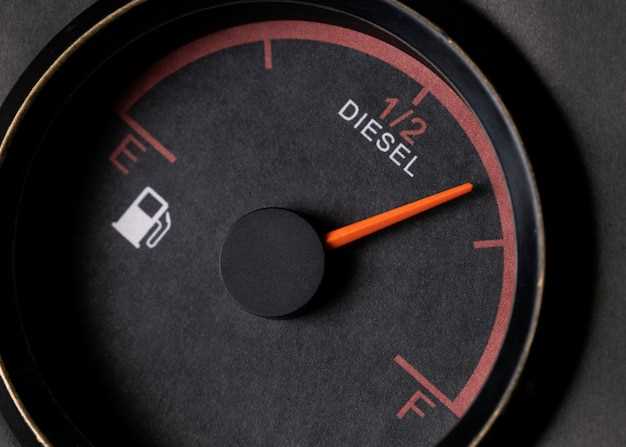
Reverting a tuned diesel engine back to stock settings requires careful attention to detail to ensure safety and compliance with regulations. Start by gathering all necessary tools and materials. This may include a standard diagnostic tool, original manufacturer specifications, and replacement parts if needed.
Begin the process by disconnecting the battery to prevent any electrical issues while making modifications. Once safe, check the engine’s current configuration to understand the extent of previous modifications. Document any tuned components, such as the ECU, exhaust system, or performance chips, so they can be accurately removed or reset.
Next, remove aftermarket parts systematically, starting with performance enhancements like upgraded air filters, exhaust systems, and fuel injectors. Replace these components with stock parts according to the manufacturer’s specifications. Ensure that all connections are secure and properly sealed to prevent leaks.
After reverting physical modifications, it’s crucial to reset the engine’s ECU to stock settings. This may involve re-flashing the ECU or using a stock calibration file. Be meticulous during this step, as an incorrect flash could lead to performance issues or harm the engine.
Once the ECU is reset, check for any diagnostic trouble codes (DTCs) using an OBD-II scanner. Clear any stored codes and run the engine to verify it operates smoothly under stock conditions. Pay close attention to how the engine runs and listen for any unusual sounds.
Finally, conduct an emissions check to ensure that the vehicle meets necessary environmental standards after the modifications have been reversed. This step is often required for legal compliance and will help confirm that the engine is functioning as intended. If any emissions issues are identified, further adjustments may be necessary before the vehicle can pass inspection.
Conducting an Emissions Check Post-Reversion
After reverting a tuned diesel engine to its stock settings, it is crucial to conduct a comprehensive emissions check. This step ensures that the vehicle complies with environmental regulations and operates efficiently under standard conditions. Emissions testing is vital for assessing the impact of the reversion process on the engine’s output and performance.
Before the emissions check, it is advisable to retune the engine if necessary, to optimize its parameters for stock performance. Ensure that the engine control unit (ECU) reflects the original factory settings. This procedure may involve resetting parameters related to fuel delivery, timing, and air-fuel ratios, which can significantly affect emissions levels.
Once the engine is adequately prepared, proceed with the emissions check by following the established testing protocols. This typically includes both idle tests and loading tests to measure the levels of pollutants emitted during operation. Pay close attention to common diesel emissions such as nitrogen oxides (NOx), particulate matter (PM), and hydrocarbons (HC).
If the emissions readings are within acceptable limits, the reversion process can be deemed successful. However, should the engine fail to meet emissions standards, further adjustments may be required. In such cases, consider reviewing the exhaust system components, such as catalytic converters and diesel particulate filters, which might need cleaning or replacement to enhance emissions performance.
Conducting a post-reversion emissions check not only validates the integrity of the reversion process but also promotes compliance with environmental laws, ensuring that the vehicle operates efficiently and responsibly.
Options for Retuning After Emissions Compliance
After reverting a tuned diesel engine to stock settings for emissions compliance, owners may seek to improve performance while still adhering to regulations. Several options are available for retuning engines post-compliance checks:
- OEM Software Updates
Many manufacturers release official updates that can enhance engine performance while maintaining compliance. Checking the manufacturer’s website for available updates is recommended.
- Performance Tuners
Performance tuning devices can be utilized to retune the engine after it has been reverted. These tuners allow for adjustments that may optimize fuel efficiency without exceeding emissions standards.
- Custom Tuning Solutions
Engaging a professional tuner familiar with emissions regulations can yield a tailored approach. They can analyze the vehicle’s needs and retune it while ensuring compliance.
- Eco-Mode Adjustments
Some vehicles come equipped with eco-modes designed to balance performance and emissions. Modifying settings to utilize these modes can be effective in retuning the engine.
- Regular Performance Checks
After any retuning, it is crucial to perform regular checks to ensure emissions levels remain within allowable limits. Monitoring performance helps identify any potential issues early.
By carefully considering these options, diesel engine owners can effectively retune their vehicles while ensuring they meet emissions compliance requirements.


