 Jeffrey Tondreau
Understanding fuel rail pressure is crucial for maintaining the performance and efficiency of an internal combustion engine. The correct pressure within the rail ensures that the engine receives the appropriate amount of fuel for optimal combustion. In this guide, we will explore various techniques for testing fuel rail pressure, enabling mechanics and enthusiasts alike to diagnose fuel delivery issues accurately.
The pressure within the fuel rail can greatly affect engine operation, from starting difficulties to poor fuel economy and misfires. A comprehensive knowledge of testing methods will allow users to pinpoint problems effectively. Whether employing electronic pressure gauges or mechanical devices, each method has its advantages and limitations, which will be discussed in detail.
From understanding the essential tools required for testing to interpreting the results accurately, this guide aims to provide a clear and concise approach to fuel rail pressure testing techniques. Armed with this knowledge, you will be better equipped to maintain your vehicle’s performance and address any fuel system issues that may arise.
Understanding Fuel Rail Setup for Accurate Pressure Checks
To ensure reliable fuel rail pressure checks, it is essential to understand the proper setup of the fuel rail system. The fuel rail is a crucial component that distributes fuel to the injectors and maintains a consistent pressure. Accurate pressure checks begin with confirming the integrity and functionality of the fuel rail itself.
First, inspect the fuel rail for any signs of leaks or damage. Even minor leaks can lead to inaccurate pressure readings, affecting the overall performance of the engine. Ensure that all connections are secure and that any seals are in good condition. A well-maintained rail will provide the necessary support for pressure assessments.
Next, install a pressure gauge at the designated test port on the fuel rail. The gauge should be compatible with the rail’s specifications to ensure precise measurements. Before starting the engine, it is crucial to prime the fuel system, allowing the fuel pump to build pressure within the rail. This step helps in obtaining a baseline reading during the pressure check.
Once the gauge is connected, start the engine and observe the pressure readings. A stable reading indicates that the fuel rail is functioning correctly. Any significant fluctuations or deviations from the manufacturer’s specifications require further investigation into the fuel system components, including the pump, regulator, and injectors.
Additionally, consider the operating conditions while conducting pressure checks. Temperature and fuel quality can significantly impact pressure levels. Thus, performing checks under consistent conditions will yield more accurate results, allowing for a clearer diagnosis of potential issues within the fuel rail system.
In summary, understanding the setup of the fuel rail is vital for effective pressure checks. Regular maintenance, proper gauge installation, and consideration of environmental factors all contribute to obtaining accurate pressure readings, ensuring optimal engine performance.
Tools and Equipment Required for Fuel Pressure Testing
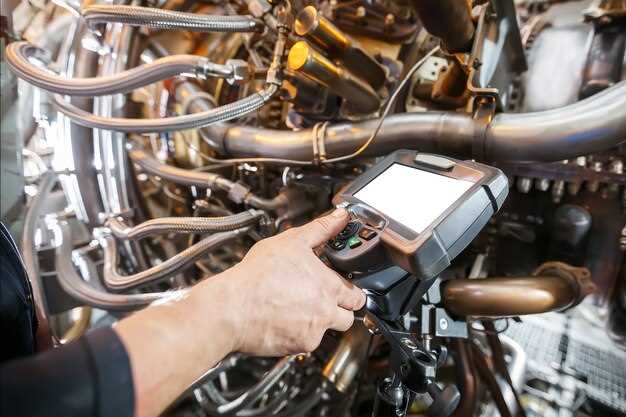
To accurately assess the fuel pressure within the rail, certain tools and equipment are essential. Proper testing not only ensures optimal engine performance but also identifies potential issues in the fuel delivery system. Below is a list of key items required for effective fuel pressure testing.
Fuel Pressure Gauge: This is the primary tool needed for measuring the fuel pressure in the rail. A reliable gauge will typically come with an appropriate range suited for the specific vehicle, along with adapters for various fuel line configurations.
Fuel Line Adapters: Different vehicles may require unique fittings to connect the pressure gauge to the fuel rail. Having a set of adapters ensures compatibility and allows for accurate readings without leaks.
Safety Goggles: When handling fuel, safety is paramount. Protecting your eyes with safety goggles can prevent injury from fuel splashes or accidental releases during the testing process.
Fuel Pressure Test Kit: Many automotive supply stores offer comprehensive test kits that include a gauge, adapters, and hoses. These kits streamline the testing process and make it easier to switch between different vehicles.
Fuel System Tools: Depending on the vehicle, you may need tools such as wrenches or pliers to disconnect fuel lines safely. Using the appropriate tools will help prevent damage to the fuel system components.
Shop Towels and Containers: Fuel spills can occur during testing. Keeping shop towels handy and having containers for catching fuel will help maintain a clean work environment and adhere to safety standards.
Using the right tools and equipment for fuel pressure testing ensures accurate diagnostics and fosters a more efficient approach to troubleshooting issues within the fuel rail. Being adequately prepared will ultimately lead to better performance and reliability of the engine.
Interpreting Pressure Readings and Diagnosing Issues
When performing fuel rail pressure tests, interpreting the results accurately is crucial for diagnosing potential issues within the fuel system. Pressure readings directly indicate the health of the fuel delivery process. Begin by checking the initial pressure values to establish a baseline. Typical fuel rail pressure values for most vehicles range between 30 to 60 psi, but it’s essential to refer to the specific manufacturer’s specifications for your vehicle model.
Once the test is conducted, if the pressure is within the acceptable range, the fuel delivery system is functioning correctly. However, if the readings are significantly lower than expected, it could signal a problem. Causes for low pressure may include a malfunctioning fuel pump, clogged fuel filter, or leaking fuel injectors. Conduct further checks by inspecting these components to identify any faults.
On the other hand, if the pressure readings are excessively high, this can also indicate issues. High pressure may be caused by a blocked return line or a malfunctioning fuel pressure regulator. In this situation, it’s critical to check for blockages and test the pressure regulator for proper functionality.
Additionally, observing pressure fluctuations while the engine operates can reveal performance problems. A stable pressure reading ensures that fuel is supplied consistently. Inconsistent or fluctuating pressure may indicate an issue with the fuel pump or electrical supply, necessitating further investigation.
In summary, checking fuel rail pressure and interpreting the readings properly are key steps in diagnosing issues within the fuel system. A thorough evaluation of pressure readings can direct you to the underlying problems, ensuring that your fuel system operates efficiently.


