 Jeffrey Tondreau

When it comes to buying or selling a diesel vehicle, proper documentation is crucial to ensure a smooth and legal transaction. Ownership transfer involves multiple administrative steps that require specific paperwork to protect both parties involved. Understanding these essential documents can help facilitate a seamless exchange and prevent potential disputes.
Firstly, the Vehicle Title is one of the most important documents in the process. It serves as proof of ownership and must be signed over by the seller to the buyer. Without a clear title, the buyer risks purchasing a vehicle that may have liens or unresolved legal issues. It’s imperative to confirm that the title is free of any encumbrances before finalizing the sale.
In addition to the title, a Bill of Sale is a critical document that provides a detailed record of the transaction. This document includes vital information such as the sale price, vehicle identification number (VIN), and the personal details of both the buyer and seller. Having a bill of sale not only protects the buyer’s investment but also serves as a useful reference for future ownership verification.
Lastly, other documents such as maintenance records and emissions certification can enhance the buyer’s confidence in the vehicle’s condition and compliance with local regulations. Collectively, these documents contribute to a clearer understanding of the vehicle’s history and reinforce the legitimacy of the ownership transfer.
Required Paperwork for Purchasing a Diesel Vehicle
When purchasing a diesel vehicle, several essential documents are required to ensure a smooth transfer of ownership. Understanding these documents can help streamline the buying process and prevent legal complications.
First and foremost, the most critical document is the vehicle title. This paper serves as proof of ownership and must be signed over by the seller to the buyer. It is important to verify that the title is clear of any liens, which can complicate the transfer process.
The bill of sale is another key document. This written agreement outlines the details of the transaction, including the purchase price, the vehicle identification number (VIN), and the names and addresses of both the buyer and the seller. It serves as a legal record of the sale and is often required for registration.
A completed transfer form from the Department of Motor Vehicles (DMV) is also necessary. This form officially documents the change of ownership and is required to register the vehicle in the buyer’s name. Each state has different regulations regarding this form, so it’s important to check local requirements.
For purchasers interested in financing, the lender may require additional paperwork, such as proof of income, insurance documentation, and a credit report. It’s essential to have these documents ready to facilitate the loan approval process.
Finally, ensuring that the vehicle has a current emissions certificate may be necessary, especially in states with strict environmental regulations. This document verifies that the diesel vehicle complies with local emissions standards, which can influence the overall purchase decision.
Documentation Needed for Transferring Ownership
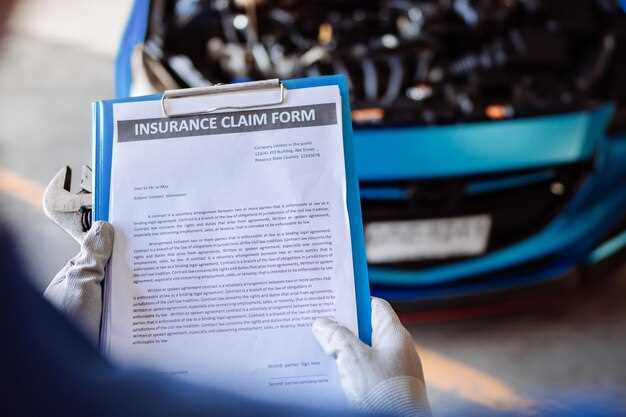
Transferring ownership of a diesel vehicle requires specific documentation to ensure a smooth and legal process. Both the seller and the buyer must prepare several essential documents that validate the transaction.
The first crucial document is the vehicle title. The title proves ownership and must be signed over by the seller to the buyer during the transfer process. It is important to ensure that any liens on the vehicle are cleared before the transfer takes place.
Next, a bill of sale is highly recommended. This document outlines the details of the transaction, including the purchase price, vehicle identification number (VIN), and the names and addresses of both parties. Though it may not be mandatory in all states, it provides legal protection for both the buyer and the seller.
In addition, the seller should provide a valid emissions certification, particularly for diesel vehicles, which may be subject to stricter environmental regulations. This certifies that the vehicle meets required emissions standards, essential for registration in many jurisdictions.
The buyer will also need proof of insurance to register the vehicle legally. Insurance documentation is often required to complete the title transfer process, ensuring the vehicle is covered from the moment ownership changes hands.
Finally, both parties may need to complete a transfer application form, which is generally available from the local Department of Motor Vehicles (DMV) or equivalent authority. This form collects necessary information about the vehicle and the new owner, facilitating the official transfer of title.
By ensuring all the required documentation is prepared and accurate, the process of transferring ownership of a diesel vehicle can proceed without complications.
Important Records to Keep After Buying or Selling

After completing the transfer of ownership for a diesel vehicle, it is essential to maintain specific records to avoid future complications. First and foremost, keep a copy of the bill of sale. This document serves as proof of the transaction and includes crucial details such as the VIN, purchase price, and signatures of both parties.
Next, retain the title of the vehicle. Once the transfer is finalized, ensure that the title is properly signed over to you or to the buyer, as applicable. The title is important not only for registration purposes but also for future resale or transfer.
Maintenance records should also be documented and preserved. Keeping track of repairs, oil changes, and any modifications made to the vehicle can enhance its resale value and provide transparency to potential buyers.
In addition, if any warranties or service agreements were included with the purchase, retaining copies of these documents is critical. They provide proof of coverage and may offer the possibility of transferring the warranty to the new owner, which can be an attractive selling point.
Lastly, records of any emissions testing or compliance documents should be kept on file. These are essential, especially with diesel vehicles, to confirm that the vehicle meets environmental regulations. Having these records readily available can facilitate smoother transactions in the future and ensure compliance with local laws.


