 Jeffrey Tondreau
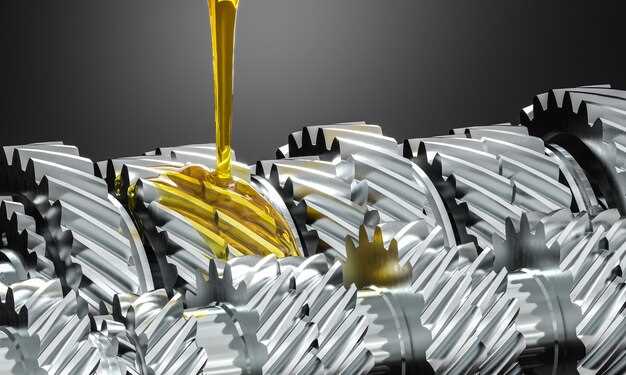
Diesel engines are renowned for their durability and efficiency. However, one of the common issues that may arise during their operation is the cracking of cylinder heads. A cracked diesel cylinder head can lead to severe performance issues, increased emissions, and, if not addressed promptly, significant engine damage. Understanding the symptoms of this problem and the available solutions is imperative for any diesel engine owner.
Identifying the signs of a cracked cylinder head is crucial for maintaining engine health. Symptoms may include overheating, excessive white smoke from the exhaust, and a loss of coolant without any visible leaks. These indicators suggest that the integrity of the cylinder head is compromised and requires immediate attention to prevent further damage.
When faced with a cracked diesel cylinder head, several solutions are available. Depending on the severity of the crack, options range from repairing the existing head to replacing it entirely. Each situation requires careful diagnosis and consideration of the engine’s overall condition, ensuring that the chosen solution will restore reliability and performance.
Identifying Common Symptoms of Cracked Cylinder Heads in Diesel Engines
Cracked cylinder heads are a serious issue that can lead to significant engine failure in diesel engines. Recognizing the symptoms of this problem early can save time and money on repairs. One of the most noticeable signs is the presence of coolant loss without any visible leaks. This often indicates that coolant is leaking into the combustion chamber through cracks in the head.
Another common symptom is white smoke coming from the exhaust. This occurs when the coolant burns along with the fuel, creating a distinct smoke that can be alarming for any diesel engine owner. Additionally, an overheat condition can arise due to improper cooling system functioning, which results from a cracked cylinder head allowing coolant to escape or mix with engine oil.
Engine misfires or rough idling are also typical indicators of a failing head. When the integrity of the cylinder head is compromised, the combustion process may become erratic, leading to a loss of power and performance. Furthermore, oil contamination is a crucial symptom to monitor. If oil appears milky or contaminated, this could mean that coolant is seeping into the oil system, showcasing a critical failure in the cylinder head.
Lastly, an increase in engine noise, particularly from the cylinder area, can point towards a fracture in the head. Any unusual clattering or knocking sounds should prompt immediate inspection. Recognizing these symptoms can aid in timely diagnosis and prevent further complications associated with cracked cylinder heads in diesel engines.
Immediate Actions to Take When Diesel Cylinder Heads Fail
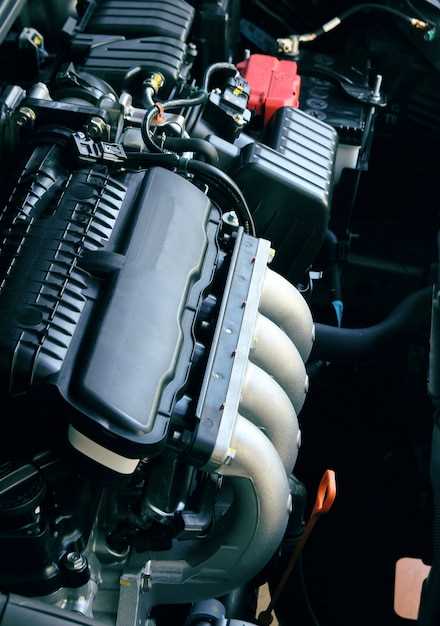
When a diesel cylinder head experiences failure, taking immediate action is crucial to prevent further damage to the engine. The first step is to turn off the engine as soon as possible. Continuing to operate the vehicle can exacerbate the problem and lead to catastrophic engine failure.
Next, assess the situation carefully. Look for signs of coolant leaks, oil contamination, or visible cracks on the head. This will help determine the extent of the damage and whether the head can be repaired or needs to be replaced. If coolant is present in the oil or vice versa, it indicates a significant problem that requires urgent attention.
If safe to do so, remove any components obstructing access to the cylinder head. This includes intake manifolds, turbochargers, and exhaust systems. Keeping the work area organized will ease the repair process later on.
Once the necessary components are out of the way, remove the cylinder head carefully. Use the correct tools to avoid stripping bolts or damaging threads. During removal, pay close attention to the sequence and condition of the head gasket, as this can provide insights into the nature of the failure.
After the head is removed, inspect it thoroughly for any cracks or warping. A straight edge can be used to check for flatness, while a pressure test might reveal hidden cracks. Depending on the assessment, you may choose to either repair the cylinder head or acquire a new one.
Before reinstallation, clean all surfaces, including the block and the new head. Ensure that no debris or old gasket material remains, as this could lead to improper sealing and further issues. When everything is prepared, carefully reassemble the components in the reverse order of removal, following the manufacturer’s torque specifications for the head bolts.
After completing the repair, conduct a thorough inspection of the cooling system and oil levels before starting the engine again. Monitoring performance closely for any unusual signs can help detect any lingering issues right away.
Long-Term Solutions and Preventative Measures for Cylinder Head Integrity
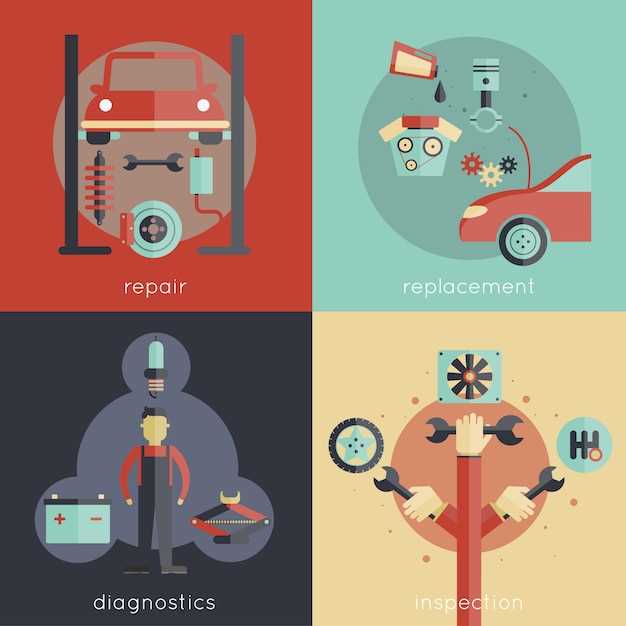
Ensuring the integrity of a diesel cylinder head is crucial for the overall performance and longevity of the engine. Long-term solutions to prevent head failure begin with regular maintenance and monitoring of engine parameters. Regularly checking the coolant and oil levels can help identify potential issues before they escalate. Additionally, maintaining optimal operating temperatures is essential; overheating is a primary cause of cylinder head damage.
Upgrading to high-quality cylinder head materials can provide enhanced resistance to thermal and mechanical stress. When replacing or repairing a cylinder head, consider using aftermarket options that offer improved durability. Furthermore, the installation of a quality head gasket is critical. Using gaskets designed to withstand high pressures and temperatures may prevent leaks and ensure a tight seal, which is vital for cylinder function.
Another preventative measure is to implement a robust cooling system. This includes an efficient radiator, functional water pump, and clean coolant passages, all of which play a pivotal role in regulating engine temperature. Regularly flushing the cooling system can remove debris that may lead to blockages and overheating.
Employing advanced diagnostics tools can help detect early signs of head issues. Techniques such as pressure testing and visual inspections can highlight cracks or weaknesses in the cylinder head that might lead to failure. Training technicians to recognize these symptoms early can prevent costly repairs in the future.
Lastly, proper driving habits can significantly reduce the risk of cylinder head problems. Avoiding excessive idling, rapid acceleration, and the use of low-quality fuels can prolong the life of the cylinder head. Educating drivers about these practices contributes not only to head integrity but also to engine performance as a whole.


